What Is Site Investigation and Why Is It Crucial in Construction & Mining Projects
Site investigation is a critical early-stage activity in both construction and mining projects. It involves systematic studies of soil, rock, groundwater, and subsurface conditions to ensure that engineering designs are safe, efficient, and economically viable. Without proper site investigation, projects face higher risks of structural failure, cost overruns, and unexpected delays.
In highly technical industries such as construction and mining, site investigation is not optional—it is fundamental.
What Is Site Investigation?
Site investigation is the process of collecting and analyzing geotechnical, geological, and environmental data from a project site. The goal is to understand subsurface conditions before design and construction begin.
This process typically includes:
Desk studies and preliminary assessments
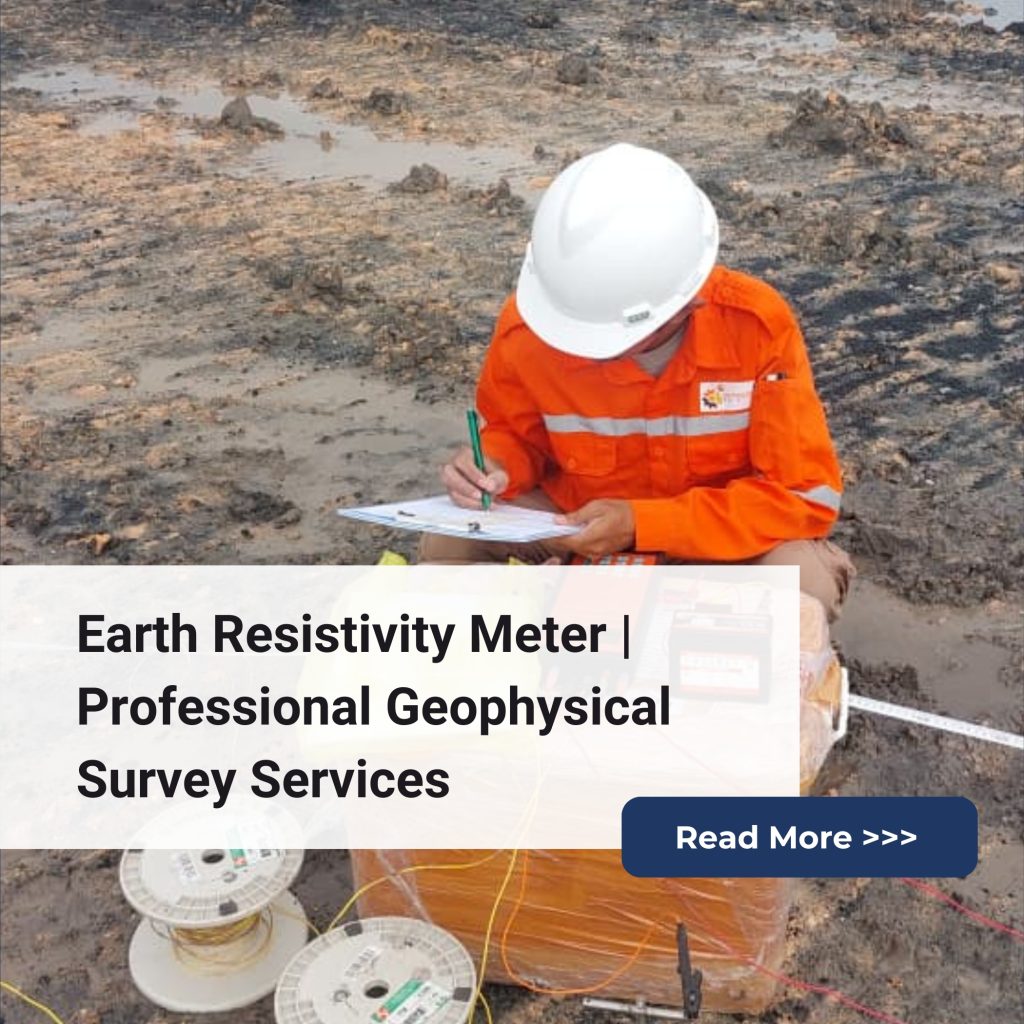
Field investigations such as drilling and sampling
In-situ testing and laboratory analysis
Engineering interpretation and reporting
The data obtained from site investigation forms the foundation for safe engineering decisions.
Key Objectives of Site Investigation
The main objectives of conducting a site investigation include:
Identifying soil and rock properties
Determining groundwater conditions
Assessing bearing capacity and slope stability
Evaluating geological hazards
Supporting safe and cost-effective design solutions
A well-executed site investigation reduces uncertainty and minimizes technical risk.
Site Investigation in Construction Projects
In construction projects, site investigation supports the design of foundations, earthworks, slopes, and underground structures.
Why It Matters in Construction
Prevents foundation failure and excessive settlement
Determines suitable foundation types (shallow or deep)
Supports excavation and retaining wall design
Ensures compliance with engineering standards
Without accurate subsurface data, even well-designed structures can fail.
Site Investigation in Mining Projects
In mining operations, site investigation plays a strategic role throughout the project life cycle
Importance in Mining
Evaluates ground conditions for pit slopes and underground excavations
Supports mine planning and infrastructure design
Assists in groundwater control and dewatering strategies
Enhances operational safety and sustainability
Mining environments are inherently complex, making reliable site investigation essential.
Common Methods Used in Site Investigation
Several techniques are commonly applied during site investigation, depending on project requirements:
Field Investigation Methods
Borehole drilling
Standard Penetration Test (SPT)
Cone Penetration Test (CPT)
Trial pits and test pits
Laboratory Testing
Soil classification and strength testing
Rock mechanics testing
Permeability and consolidation tests
Each method contributes specific insights into subsurface behavior.
Risks of Skipping Proper Site Investigation
Failing to conduct adequate site investigation can lead to serious consequences, such as:
Structural instability
Unexpected ground conditions
Project delays and cost escalation
Safety hazards and environmental damage
In many cases, the cost of remediation far exceeds the initial investment in investigation.
Site Investigation as a Long-Term Investment
Although site investigation requires upfront cost and time, it delivers long-term value. Reliable data leads to:
Optimized engineering design
Reduced construction risks
Improved project efficiency
Enhanced safety and regulatory compliance
For both construction and mining projects, site investigation is an investment—not an expense.
Site investigation is a cornerstone of successful construction and mining projects. By providing accurate subsurface data, it enables engineers to design safer structures, reduce risks, and control costs. In complex geological environments, proper site investigation is essential to ensuring project success from planning to execution.